
About Female Genital Mutilation (FGM)
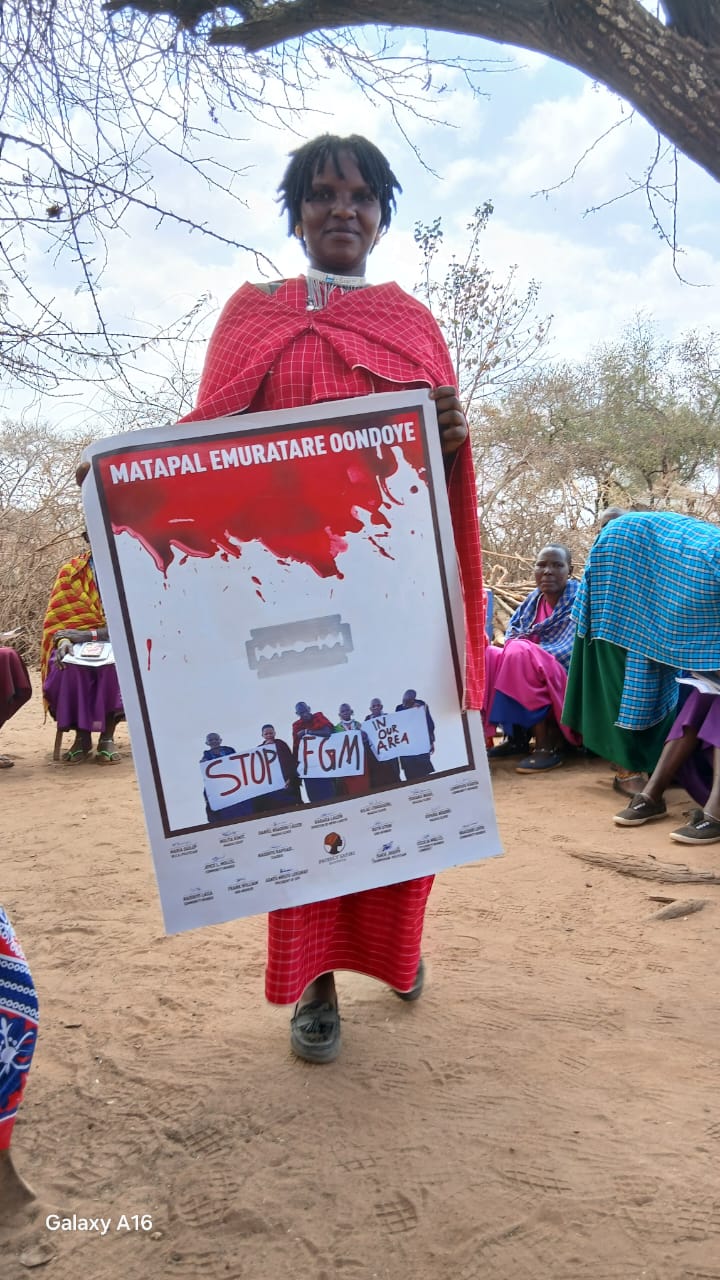

Female Genital Mutilation (FGM) refers to procedures involving the partial or total removal of external female genitalia for non-medical reasons. It has no health benefits and is internationally recognised as a violation of the human rights of women and girls. FGM affects millions of girls and women worldwide and is practised across diverse cultural, social, and geographic contexts.
Where and why FGM occurs
FGM is practised in parts of Africa, the Middle East, and Asia, and within diaspora communities globally. The practice is sustained by social norms linked to gender inequality, expectations around marriage, and misconceptions about health, purity, or tradition. Importantly, FGM is not associated with any one religion, and its continuation is often driven by strong social pressure rather than individual choice.
Health and human rights impacts
FGM can result in serious short- and long-term physical and psychological consequences. These may include death, pain, infection, complications during childbirth and emotional trauma. International bodies including the World Health Organization and UNICEF recognise FGM as a harmful practice that violates the rights of girls and women to health, security, bodily integrity, and freedom from violence.
Effective prevention
Research and global evidence consistently show that FGM cannot be ended through enforcement alone. Sustainable change occurs when prevention efforts are:
– Community-led, involving dialogue and trust
– Grounded in education, particularly for girls and families
– Led by local organisations with cultural and contextual knowledge
– Supported over time, rather than through one-off interventions
Evidence highlights the importance of working with community leaders, educators, health professionals, and women’s groups to shift norms and support alternatives.
Our approach to evidence and learning
Safiri-Elototo is committed to evidence-informed practice. We draw on international guidance, peer-reviewed research, and the lived expertise of local organisations working directly with communities. We view evidence not as static, but as something that must be continually reviewed, contextualised, and informed by local experience.
FGM Evidence Dossier: Monduli District (PDF) A contextual research overview drawing on WHO, UNICEF, DHS, UNFPA, and peer-reviewed evidence to inform community-led prevention strategies. Includes full disclaimers and live references to all sources. This dossier provides an evidence-informed overview of FGM in Monduli District, drawing on WHO, UNICEF, DHS, and peer-reviewed research alongside local contextual analysis. It highlights why community-led, locally grounded approaches are essential to effective prevention and is intended to support responsible partnership, learning, and programme design.
Please click title to download file
Further reading and resources
The following sources provide authoritative information and research on FGM and effective prevention strategies:
– World Health Organization FGM: health risks, classification, and international guidance
– UNICEF Female Genital Mutilation: global data, child protection, and prevention
– FGM and community-led change in Tanzania (UNFPA–UNICEF Joint Programme)
– FGM Information Sheet, Tansania Lächelt 2022