
About Us
Safiri-Elototo is a Swiss-based nonprofit organisation dedicated to supporting efforts to prevent Female Genital Mutilation (FGM) in Monduli, Arusha and to protect the rights, safety, and dignity of girls. Our work is grounded in partnership. We exist to support and strengthen the work of expert, locally led organisations in and around Arusha, recognising that sustainable change is led by communities themselves.
Our Purpose
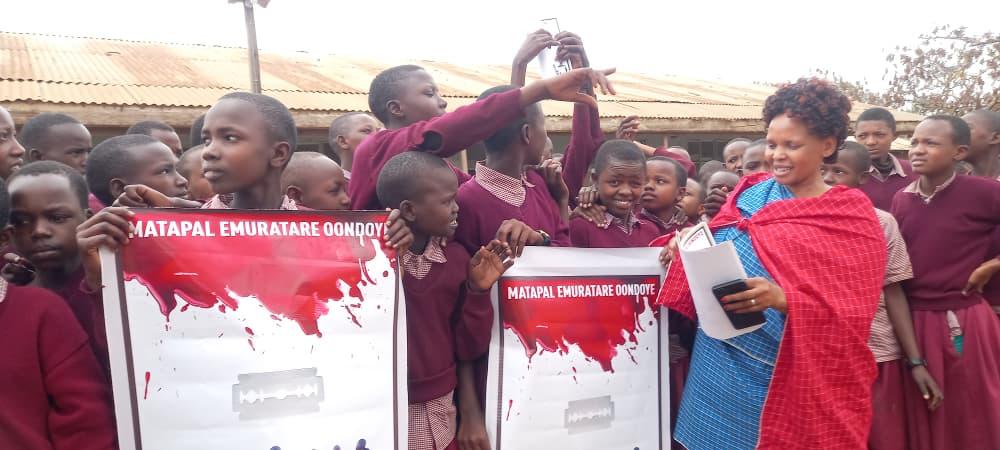
FGM is a deeply rooted cultural practice linked to gender inequality and harmful social norms. Addressing it requires approaches that are respectful, informed, and shaped by local knowledge. Safiri-Elototo was created to contribute to this work by supporting organisations already leading prevention and protection efforts within their communities.
How We Work
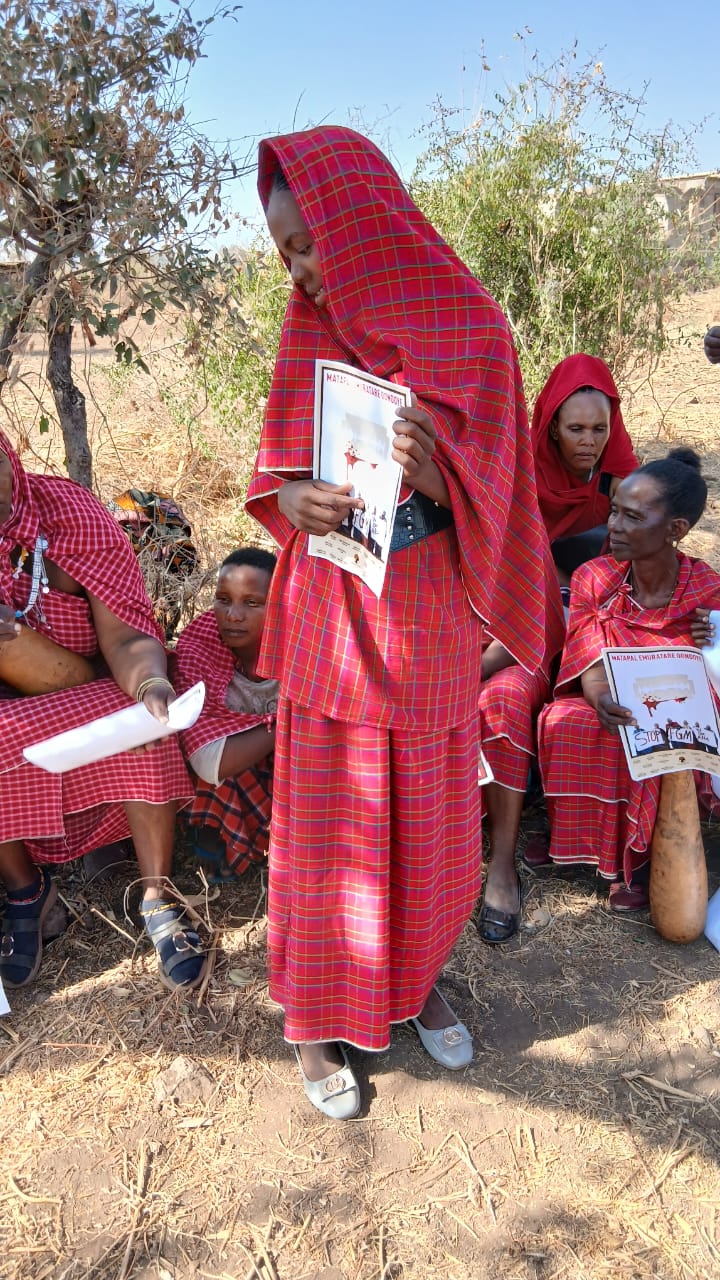
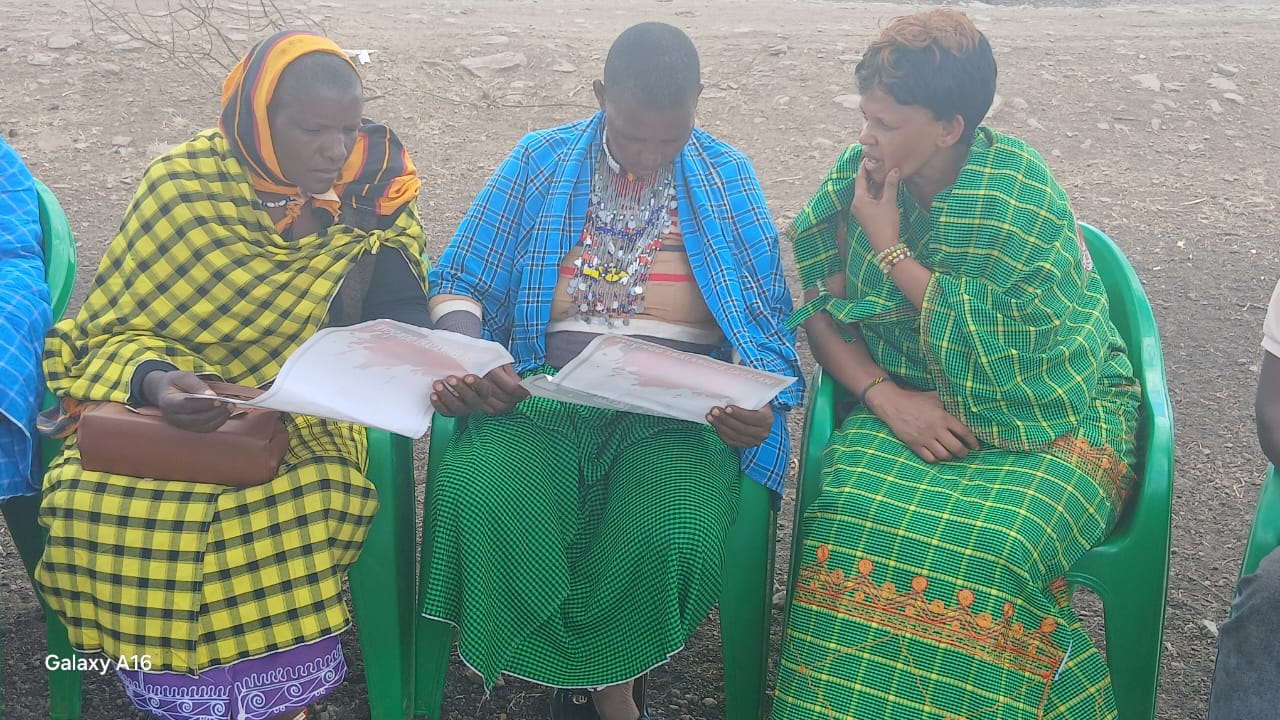
We work in close collaboration with locally led NGOs, listening first and responding to their priorities. Our role may include: supporting access to resources and funding, amplifying local voices and expertise, strengthening education, advocacy, and prevention initiatives. We do not deliver services directly on the ground. Instead, we aim to help our partners grow their impact safely, ethically, and sustainably.
Our Values
Local leadership
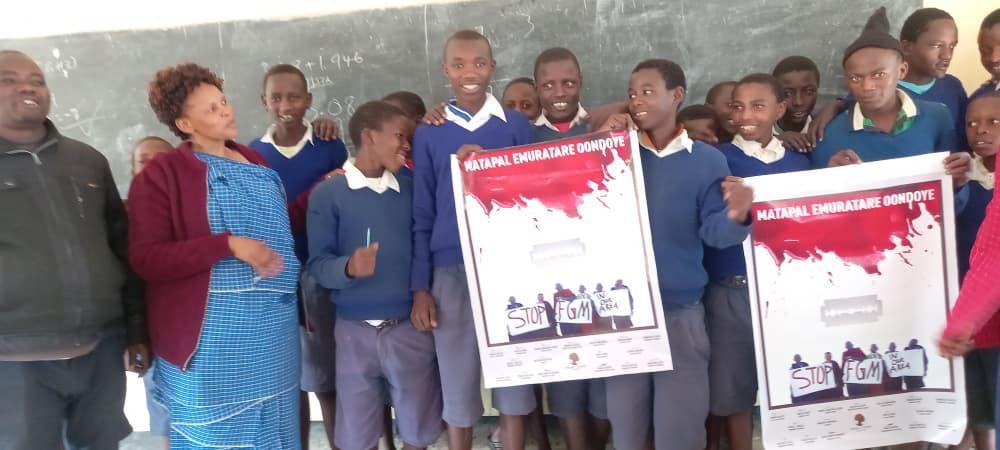
We respect and centre the knowledge and experience of community-based organisations.
Partnership
We work alongside others, not over them.
Dignity and safeguarding
We prioritise respect, privacy, and the wellbeing of girls and communities in all we do.
Transparency
We are committed to openness, accountability, and responsible use of resources.
Looking Ahead
We are an organisation at an early stage, learning alongside our partners and growing intentionally. As Safiri-Elototo develops, we aim to deepen partnerships, strengthen prevention efforts, and contribute to long-term, locally driven change that protects girls and supports empowerment. Safiri-Elototo reflects a shared journey — from risk to safety, from harm to empowerment — shaped by partnership, respect, and hope.
You can also read answers to common questions about our approach in our Frequently Asked Questions section.