Frequently Asked Questions
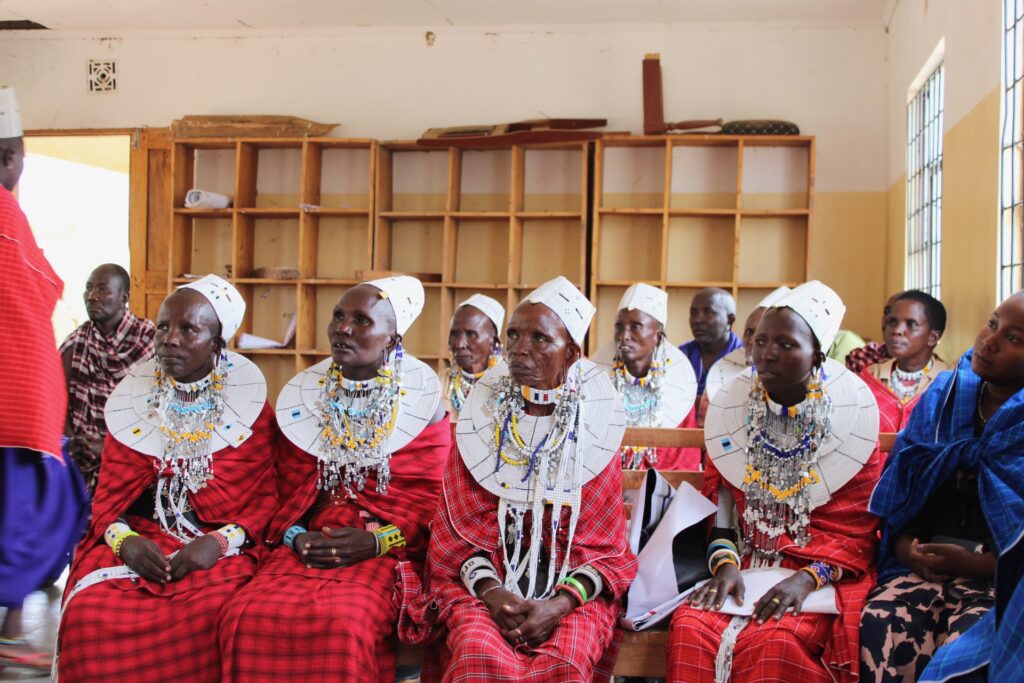
Safiri-Elototo works in partnership with local organisations and communities in the Monduli area of Arusha, Tanzania. The questions below address some of the issues people most commonly raise about efforts to end female genital mutilation (FGM).
Are Western organisations interfering with local culture?
Safiri-Elototo does not run programmes directly in communities. Our role is to support local organisations in Arusha that lead the work themselves.
These organisations are made up of community members — including women, teachers, health workers and traditional leaders — who are working to protect girls and support positive change from within their own communities.
Across many parts of Tanzania, community leaders themselves have begun questioning the practice because of its health risks and impact on girls’ education and wellbeing. Our role is therefore to support locally led initiatives, not to impose external solutions.
Sources
World Health Organization – Female Genital Mutilation
https://www.who.int/news-room/fact-sheets/detail/female-genital-mutilation
UNFPA–UNICEF Joint Programme on the Elimination of FGM
https://www.unfpa.org/unfpa-unicef-joint-programme-fgm
Isn’t FGM an ancient tradition that cannot be changed?
FGM has been practiced for generations in some communities, but traditions are not fixed. Throughout history, communities have adapted cultural practices when they no longer serve the wellbeing of their members.
In many parts of Africa, communities are already changing these practices. Alternative rites of passage, community education and the leadership of local women’s groups have helped families celebrate cultural identity without harming girls.
Evidence from programmes across East Africa shows that when change is community-led and supported by education and dialogue, attitudes and practices can evolve over time.
Sources
UNICEF – Female Genital Mutilation
https://www.unicef.org/protection/female-genital-mutilation
UNFPA–UNICEF Joint Programme Global Report
https://www.unfpa.org/resources/unfpa-unicef-joint-programme-female-genital-mutilation
Isn’t FGM a religious practice?
FGM is sometimes associated with religion, but it is not required by Islam or Christianity. Religious leaders and scholars across many countries have publicly stated that the practice is cultural rather than religious.
In Tanzania and neighbouring countries, religious leaders increasingly participate in programmes that promote the protection and wellbeing of girls while respecting faith traditions.
Sources
WHO – Eliminating Female Genital Mutilation: An Interagency Statement
https://www.who.int/publications/i/item/9789241596442
UNICEF – Female Genital Mutilation global overview
https://data.unicef.org/topic/child-protection/female-genital-mutilation/
Why would women who perform circumcision stop doing this work?
In some communities, women who perform FGM rely on it as a source of income and social status. Successful programmes therefore work with these women respectfully, recognising their role in the community.
Many initiatives provide alternative sources of livelihood, as well as opportunities for these women to become advocates for girls’ health and education. When communities collectively decide to move away from FGM, these women can often play an important role in supporting the transition.
Sources
UNFPA–UNICEF Joint Programme on FGM – Programme approaches
https://www.unfpa.org/unfpa-unicef-joint-programme-fgm
Sources
UNFPA–UNICEF Joint Programme on FGM – Programme approaches
https://www.unfpa.org/unfpa-unicef-joint-programme-fgm
Population Council – Research on community approaches
https://www.popcouncil.org/research/eliminating-female-genital-mutilation-cutting
Can change really happen?
Yes. Across Africa, many communities have already taken steps to abandon FGM. Community education, engagement with elders and religious leaders, protection for girls, and support for girls’ education have all contributed to progress.
While change takes time and must be led locally, evidence from programmes across East Africa shows that community-led approaches can reduce the practice and support safer futures for girls.
Sources
UNICEF Global Data on FGM
https://data.unicef.org/topic/child-protection/female-genital-mutilation/
WHO – Female Genital Mutilation fact sheet
https://www.who.int/news-room/fact-sheets/detail/female-genital-mutilation
What does Safiri-Elototo actually do?
Safiri-Elototo supports community-led organisations in Arusha that are working to protect girls and promote education, health and empowerment.
We focus on building partnerships, raising awareness and supporting locally designed initiatives that aim to create sustainable change. Our approach reflects a growing body of international evidence showing that locally led programmes and community engagement are essential to reducing harmful practices while respecting cultural context.
Sources
UNFPA–UNICEF Joint Programme on the Elimination of FGM
https://www.unfpa.org/unfpa-unicef-joint-programme-fgm
Is FGM illegal in Tanzania?
Yes. Female genital mutilation is illegal in Tanzania when performed on girls under the age of 18. The practice was criminalised through amendments to the Sexual Offences Special Provisions Act in 1998.
The Tanzanian government has also adopted national strategies to prevent violence against women and children, including efforts to address FGM through education, community engagement and protection services.
However, laws alone do not eliminate deeply rooted social practices. Effective change requires community engagement, education and local leadership.
Sources
UNICEF – Female Genital Mutilation data and policy overview
https://data.unicef.org/topic/child-protection/female-genital-mutilation/
Why is education important in efforts to end FGM?
Education plays a critical role in protecting girls and supporting communities to move away from harmful practices.
Research shows that girls who stay in school are less likely to undergo FGM and more likely to delay marriage. Education also helps families and communities access information about health risks, legal protections and alternative ways of celebrating cultural traditions.
Many successful programmes therefore focus on supporting girls’ education, raising awareness and encouraging dialogue within communities.
Sources
UNICEF – Female Genital Mutilation global data
https://data.unicef.org/topic/child-protection/female-genital-mutilation/
WHO – Female Genital Mutilation fact sheet
https://www.who.int/news-room/fact-sheets/detail/female-genital-mutilation
Why does Safiri-Elototo focus on supporting local organisations?
Safiri-Elototo supports community-led organisations in Arusha that are working to protect girls and promote education, health and empowerment. We focus on building partnerships, raising awareness and supporting locally designed initiatives that aim to create sustainable change.
Our approach reflects a growing body of international evidence showing that locally led programmes and community engagement are essential to reducing harmful practices while respecting cultural context.
Sources:
UNFPA–UNICEF Joint Programme on the Elimination of FGM
https://www.unfpa.org/unfpa-unicef-joint-programme-fgm
Does supporting a small organisation actually make a difference?
Yes. Smaller organisations can often play an important role in supporting locally led initiatives and building strong partnerships with communities.
Safiri-Elototo works closely with organisations in Arusha that already have deep relationships within their communities. Because these organisations are rooted locally, they often have a strong understanding of cultural context and community dynamics.
By supporting these local partners, Safiri-Elototo aims to help strengthen initiatives that are already working to protect girls and promote education and wellbeing. Many development experts emphasise that locally led approaches are essential for sustainable and lasting change.
All members of Safiri-Elototo are self-funding volunteers, meaning all money raised can go directly towards supporting community programmes and partnerships.
Sources
OECD – Locally led development and community partnerships
https://www.oecd.org
UNFPA–UNICEF Joint Programme on the Elimination of FGM
https://www.unfpa.org/unfpa-unicef-joint-programme-fgm
How can people support this work?
Safiri-Elototo relies on the support of individuals and organisations who share the goal of protecting girls and supporting community-led change.
You can support the work by making a donation, becoming a member, or helping raise awareness of the issue. Every contribution helps strengthen the local organisations and community initiatives that are working to create safer futures for girls.
Still have questions?
If you have questions about Safiri-Elototo or our work with partner organisations in Arusha, we would be happy to hear from you.
Please feel free to contact us at info@safiri-elototo.ch or through the contact details provided on the website.